BEYOND THE BRUISES: The Impact of Domestic Violence
Published on: October 21, 2026
1.2 million people contact the National Domestic Violence Hotline each year. Let that number sink in. 1.2 million. That’s enough people to fill Yankee Stadium 25 times. And, behind every number is a person, a family, and a story that may never be told publicly. At Ocean Partnership for Children (OPC), these stories are part of the lives of the youth and families in Ocean County we serve every day, as 1 in 3 youth receiving care management services through OPC have been or are currently exposed to domestic violence. That represents more than 300 young people in our community whose lives have been touched by fear, instability, intimidation, or violence at home. What’s more frightening: those are only the youth we know about. Domestic violence is not just a private family matter. It is a community issue, and its impact extends far beyond the walls of a home.
Abuse does not always leave visible marks. It can be emotional, psychological, sexual, financial, or verbal, involving threats, intimidation, isolation, manipulation, and control. It may look like a partner monitoring someone’s phone, restricting access to money, discouraging relationships with family and friends, or interfering with decisions about work and education. Constant criticism, extreme jealousy, and threats can also be warning signs.
KNOW THE WARNING SIGNS
Some people are in a domestic violence situation and are unaware of it. It’s important to know the warning signs of an abusive relationship. It may not be you, but it may be someone you know who is experiencing this.
Here are some of the common signs of abusive behavior:
- Your partner is telling you that you never do anything right
- Belittling, insulting or shaming you, in private or in front of others
- Showing jealously of your friends, family or any time you spent away from them
- Preventing or discouraging you to spend time with others, even your own family members
- Controlling the finances in the household without your discussion or input
- Disallowing you to use money to make purchases
- Preventing you from making your own decisions, including school or work
- Pressuring you to have sex or perform sexual acts you are not comfortable with
- Intimidating you through threatening looks or actions
- Insulting your parenting
- Threatening to harm or take away your children or pets
- Destroying your belongings
- Intimating you with weapons
- Any form of physical harm
Domestic violence affects people of every sex, gender, race, religion, and socioeconomic background. Someone may appear confident and successful while experiencing fear and control behind closed doors.
The National Domestic Violence Hotline’s Power and Control Wheel illustrates how these behaviors can be used to maintain power over another person.
Some things to keep in mind: Control is not love. Jealousy is not proof of devotion. Abuse is never the survivor’s fault.
IMPACT ON CHILDREN
Children do not have to be directly targeted to experience the effects of domestic violence. Witnessing conflict, hearing threats, or living in constant uncertainty can affect their emotional well-being, relationships, behavior, and school performance. Some children become withdrawn or anxious; others struggle with anger, concentration, or trusting others. They may blame themselves or feel responsible for keeping the peace.
Research on Adverse Childhood Experiences (ACEs) helps us understand how exposure to household violence can influence long-term well-being. However, a difficult childhood does not have to determine a child’s future. Stable environments, supportive services, and caring adults can help children build resilience and feel safe.
Domestic violence can have significant effects on youth mental health, child development, emotional regulation, and long-term well-being. At OPC, we recognize that every young person is more than their circumstances. Through individualized support and meaningful connections, we help youth and families work toward stability and well-being.
WHY DON’T THEY JUST LEAVE?
One common misconception about domestic violence is the question: Why don’t they just leave?
Leaving may involve fear of retaliation, concerns for children’s safety, financial dependence, limited transportation, or nowhere safe to go. Survivors may also face housing insecurity, isolation, and uncertainty about legal protections. Separation can be a particularly dangerous period, making individualized safety planning important.
Domestic violence is a leading contributor to homelessness among women and children. Additionally, the National Network to End Domestic Violence reported that more than 13,000 requests for assistance went unmet on a single day in 2025 because programs lacked sufficient resources, funding, or staffing. Most requests involved shelter and housing.
These barriers remind us why judgment and shame have no place in this conversation. As Maureen DeSantis, Director of Care Management at OPC, explains: “Many people care and understand that domestic violence is a serious problem. They want to do something, but aren’t sure where to begin. It feels overwhelming. But this current moment requires collective action on behalf of survivors and their families. When we work together, we can make a difference.”
HOW CAN WE HELP
You do not have to be a counselor or advocate to make a difference. You can:
- Be a safe, consistent adult who listens to children and other victims without judgment.
- Talk about healthy relationships, boundaries, consent, and respect.
- Listen compassionately when someone shares their experience, without asking blaming questions.
- Support local programs through donations, volunteering, and advocacy.
- Help someone explore resources without pressuring them to make decisions before they are ready.
For someone experiencing abuse, safety planning with a trained advocate can help identify trusted contacts, safe places, transportation, essential documents, and housing options. Digital privacy is also important if a partner may monitor devices or accounts. In New Jersey, survivors may be eligible to seek a Temporary Restraining Order (TRO) or other legal protections.
OPC’s 7th ANNUAL CANDELIGHT VIGIL
This October, Ocean Partnership for Children held its 7th Annual Candlelight Vigil to remember those whose lives were taken by domestic violence, celebrated the progress victim advocates have made, and came together to support survivors and their families.
The Vigil is livestreamed and available on OPC’s social media profiles.
In support of Providence House and 180 Turning Lives Around, OPC held a personal hygiene drive and encouraged all attendees to the vigil to participate.
EVERYONE DESERVES TO FEEL SAFE
Local, state and national resources:
- Providence House, Ocean County: 732-244-8259 | Toll-free: 1-800-246-8910
- 180 Turning Lives Around, Monmouth and Ocean County: (888) 843-9262
- New Jersey Domestic Violence Hotline: 1-800-572-SAFE (7233)
- National Domestic Violence Hotline: 1-800-799-SAFE (7233) | Text START to 88788 | TheHotline.org
- Information on Restraining Orders: Office of the Attorney General
- Ocean County Domestic Violence Legal Aid & Pro Bono Services | Justia
- Domestic Violence Direct Services
If you or someone else is in immediate danger, call 911 when safe to do so. If contacting a hotline or browsing online could put you at risk, consider using a safer device.
As Ocean County’s Care Management Organization, Ocean Partnership for Children provides family-centered, trauma-informed care and wraparound services to help youth and families build stability and resilience. At OPC, we believe every young person deserves to feel safe, supported, and hopeful about their future. The more than 300 youth affected by domestic violence in our care remind us why this conversation cannot end when October does.
Let’s choose compassion over judgment, connection over silence, and action over indifference.
Together, we must stand with survivors. Always.
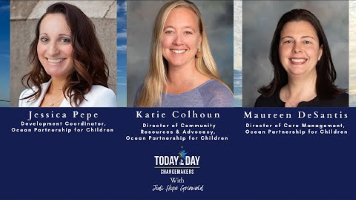
To hear more, listen in to OPC’s interview with Today is the Day, Changemakers Podcast: Empowering Families: Wraparound Care & Domestic Violence Awareness